Exploring Grief, Memory and Legacy with This Mortal Life
What does it mean to leave a legacy?
For Esther Hall, founder of This Mortal Life, legacy is not simply what we leave behind at the end of a life. It is something we are creating all the time, through the choices, habits and rituals that shape our everyday lives.
That can be a surprisingly confronting idea. We are often taught to measure a successful life through its milestones: a career, a home, a family, the things we have built or achieved. These may become part of a person’s legacy, but they aren’t the whole story. None of us need to have followed a particular path to leave something meaningful behind.
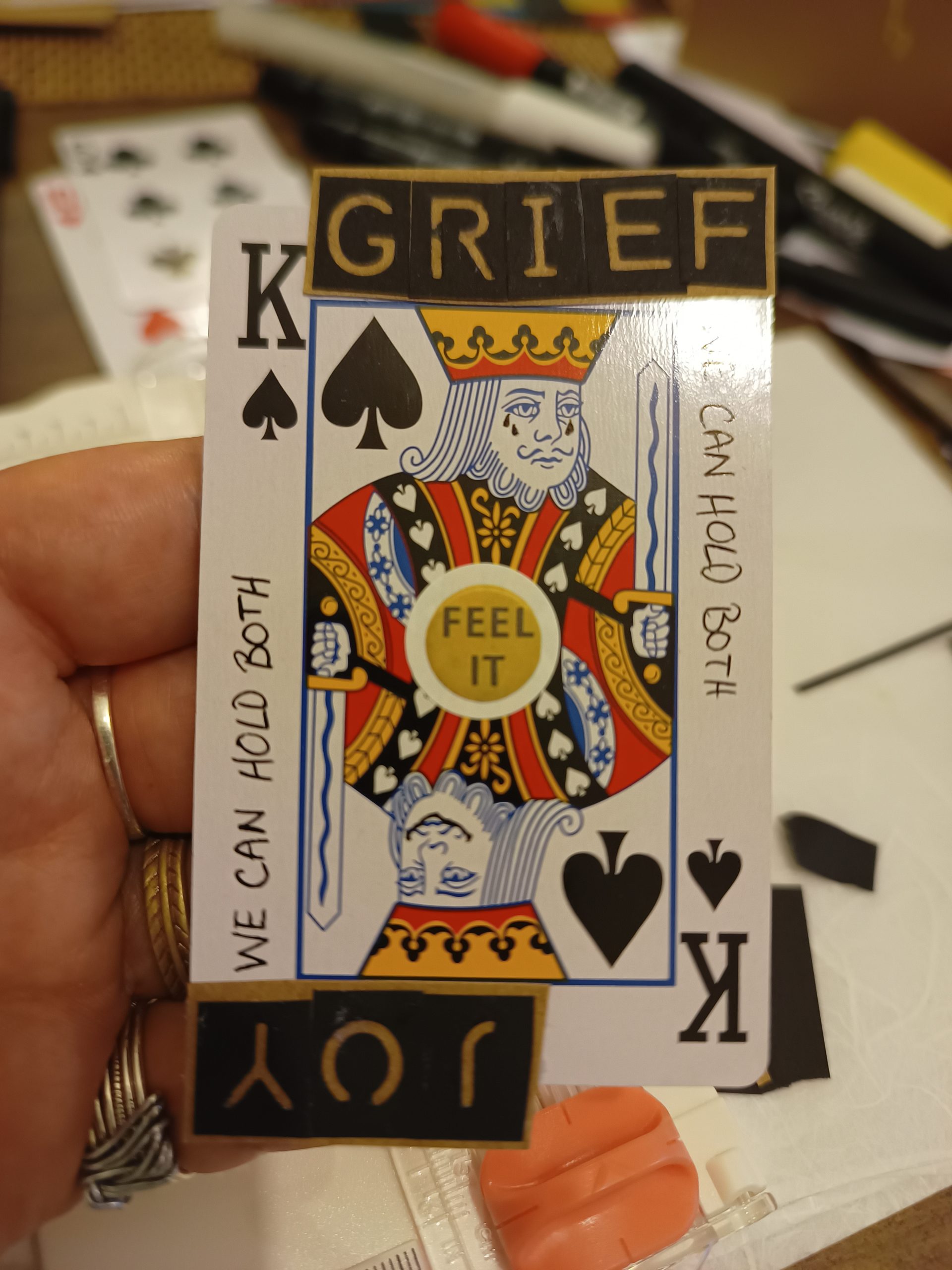
Esther invites people to look instead at the seemingly ordinary details that make a life uniquely someone’s own: a favourite recipe, the story behind a photograph that only they can tell, a collection built over decades, a particular way of welcoming people into their home, the things they loved, noticed and cared about.
And perhaps most importantly, there is the legacy we leave in other people. Whatever achievements we might list on paper, much of what remains after a person is gone is found in the memories of those who knew them: how they made us feel, what they taught us, the moments we shared and the ways their presence changed our lives.
If our legacy is being created every day, perhaps it is something we can consciously tend to rather than leave entirely to chance. This is the idea behind personal legacy curation, one of the themes at the heart of Memento Makers, a series of creative events exploring grief, memory and personal legacy as part of the wider Good Grief Festival programme.
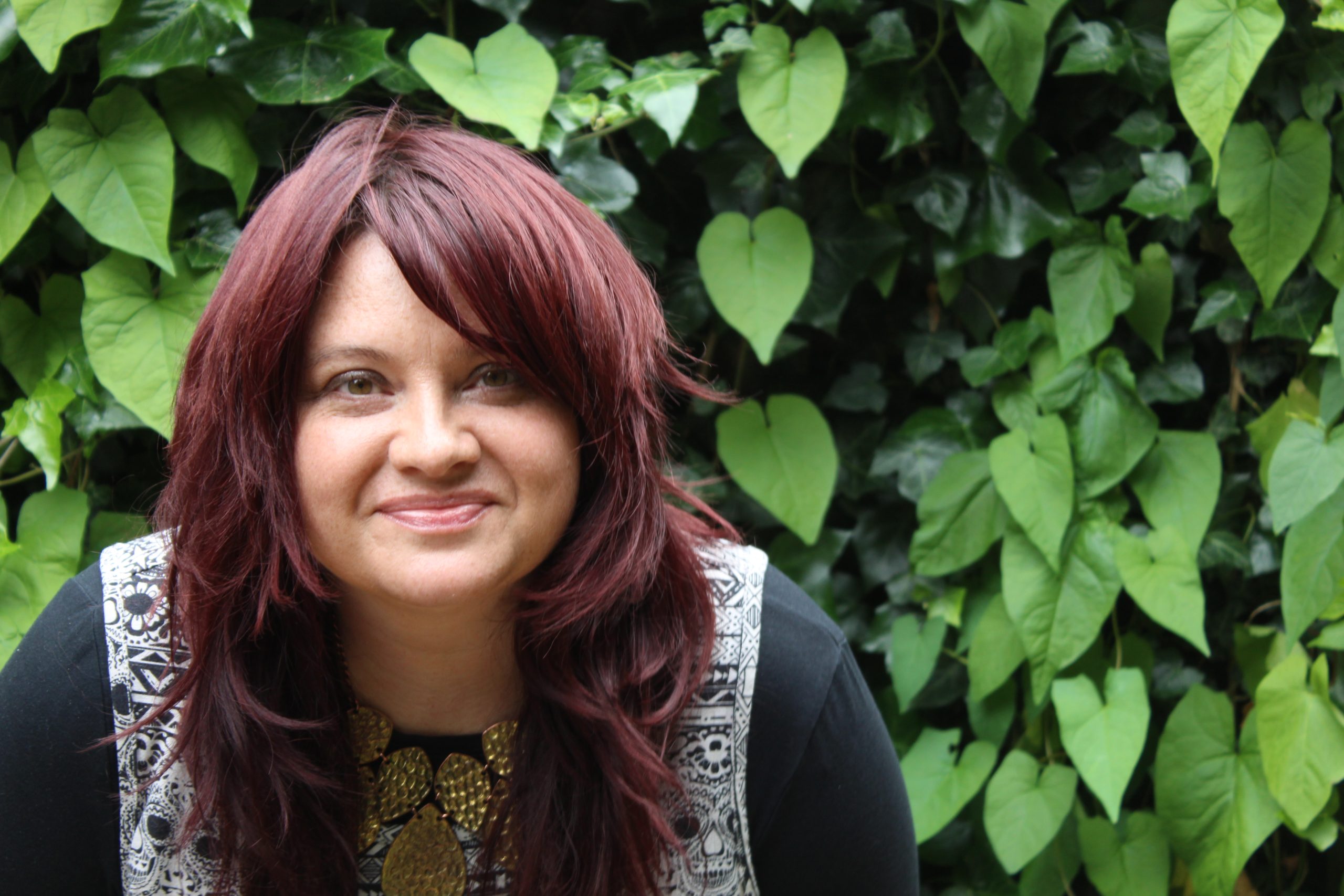
Esther describes herself as a community-builder, creative facilitator and end-of-life companion, with a deep interest in how we live, how we connect and how we make meaning in the time we have. Through This Mortal Life, she aims to cultivate spaces that invite exploration of what it means to live, grieve, belong and care for one another, whilst challenging the systems that disconnect us. Her work is rooted in death and grief literacy: helping people feel more informed, more prepared and more at ease when it comes to conversations about death, dying and planning ahead.
“Reducing fear and anxiety through connection and conversation is a big part of what I aim to do here,” she explains.
Memento Makers takes that approach into the creative realm, beginning with two workshops at Weston Artspace’s cabin in the Old Town Quarry this October.
The first, Make Your Own Legacy Book (fully booked), introduces participants to personal legacy curation: gathering the stories, memories and fragments of a life that might otherwise become scattered or forgotten. Rather than presenting legacy as something reserved for the end of life, the workshop invites participants to consider what matters, what might be worth preserving and what they would like others to know about them.
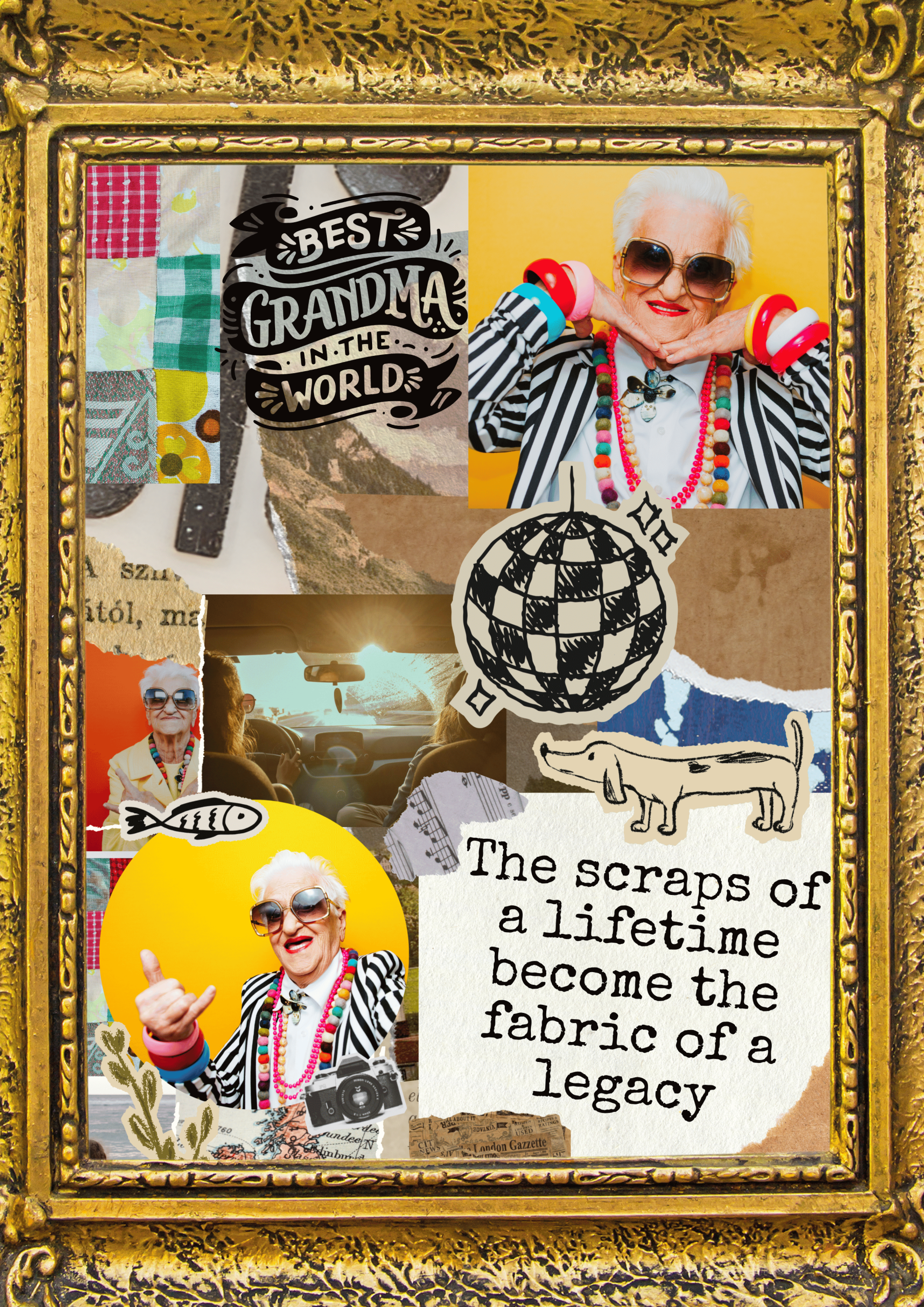
The second, Make Your Own Framed Remembrance Collage, offers a different way to explore remembrance, using creative materials to make a piece honouring someone who has shaped or touched a participant’s life.
Neither workshop requires artistic experience. Instead, creativity becomes a means of opening up conversations that can sometimes be difficult to begin.
Then, on Sunday 18 October, from 1-5pm, the Artspace cabin will host the Memento Makers Art Exhibition as part of an open day for the wider community. The exhibition will bring together work from the two workshops, the Weston Artspace collaborative community art project 52 Meditations on Mortality and submissions from local artists, exploring memory, legacy, loss and the marks we leave behind.
Visitors can drop in throughout the afternoon, meet Artspace members, explore the exhibition and dip into creative activities for all ages. The day will also see the launch of the Legacy Caterpillar, a collaborative community artwork with a simple starting point: a river rock.
Visitors will be invited to decorate a large stone in memory of someone they miss or admire. These individual memorials will become the body of a caterpillar sculpture winding its way around the quarry, creating a permanent artwork made from the memories of the people who have contributed to it.
Thanks to funding from the Living Well Dying Well Trust, this project will continue over the next 12 months, giving the community ongoing opportunities to contribute to its development.
It is a fitting expression of what Esther’s work, and the Weston Artspace community she is part of, seek to create: spaces where people can explore the experiences that shape us, express them creatively and discover what happens when those experiences are brought together. Grief, loss and change may feel deeply personal, but when we share them, we often discover just how much we have in common.
For Esther, death literacy isn’t about removing the difficult parts of mortality. It is about making space to encounter them with greater curiosity, understanding and connection. Ultimately, the work asks us to consider if life is finite, what do we want to notice while we are here? What do we want to remember? What do we want to leave behind? Memento Makers offers no single answer.
Instead, it creates a place to explore. And perhaps, in making something, remembering someone or simply starting a conversation, we discover that legacy is not only about what remains after we are gone. It is also about what we are creating, sharing and passing between one another while we are still here.
As part of Good Grief Weston. Click here to find out more.